




PRODUCTS CENTER

Kiribati Pyrolysis of Oily Sludge
Category:
KiribatiProducts
KiribatiOily Sludge Post-treatment Device
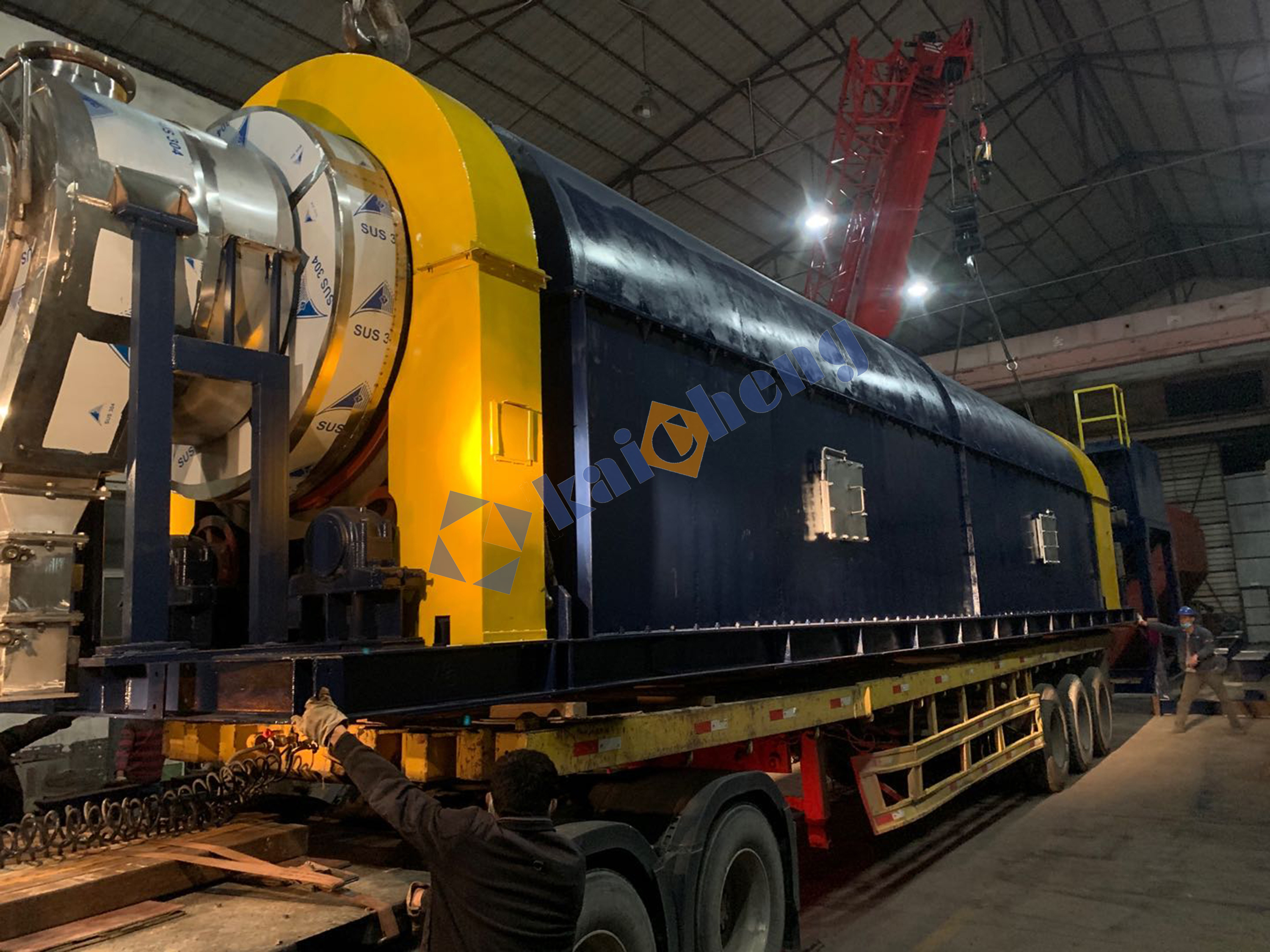
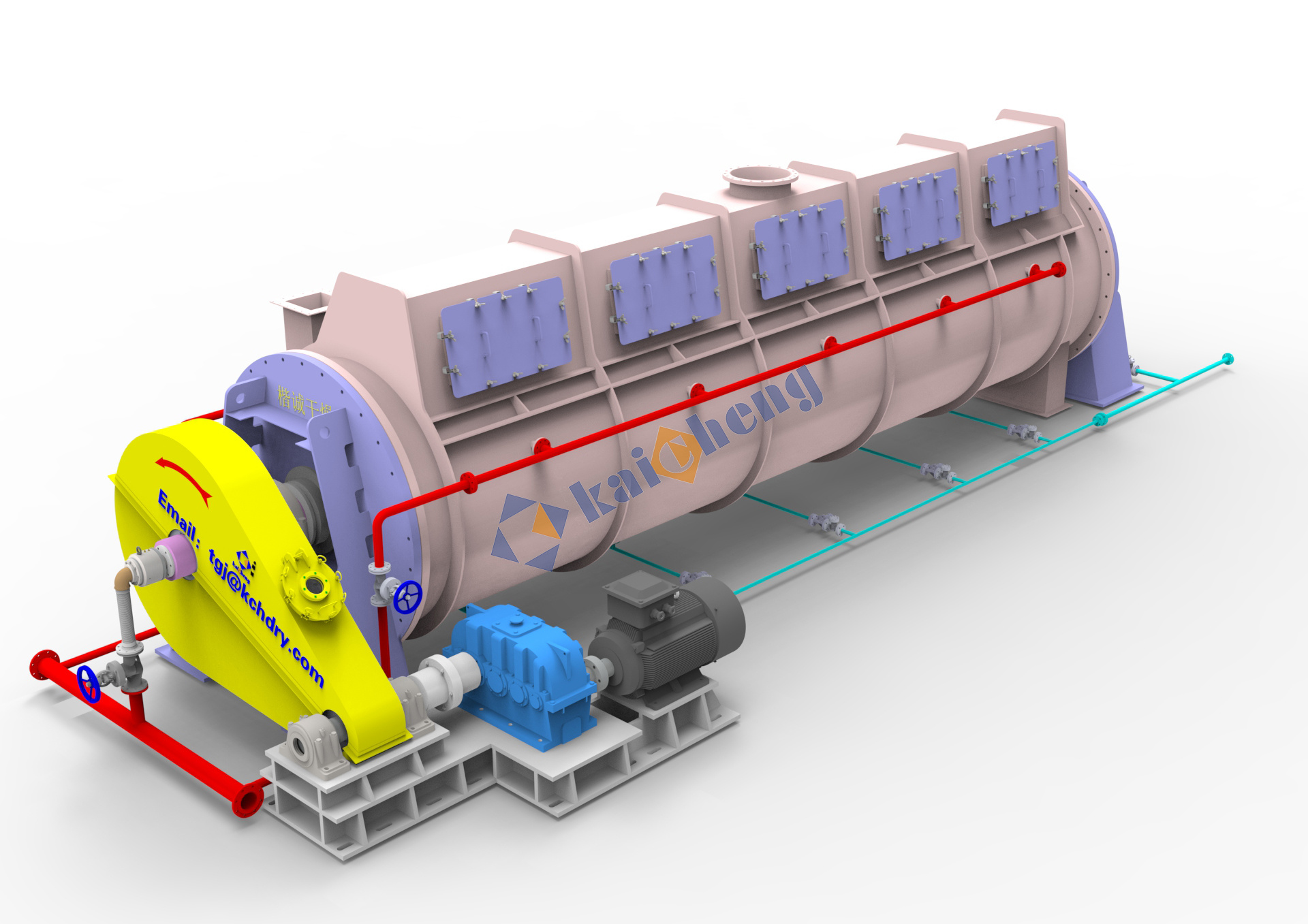
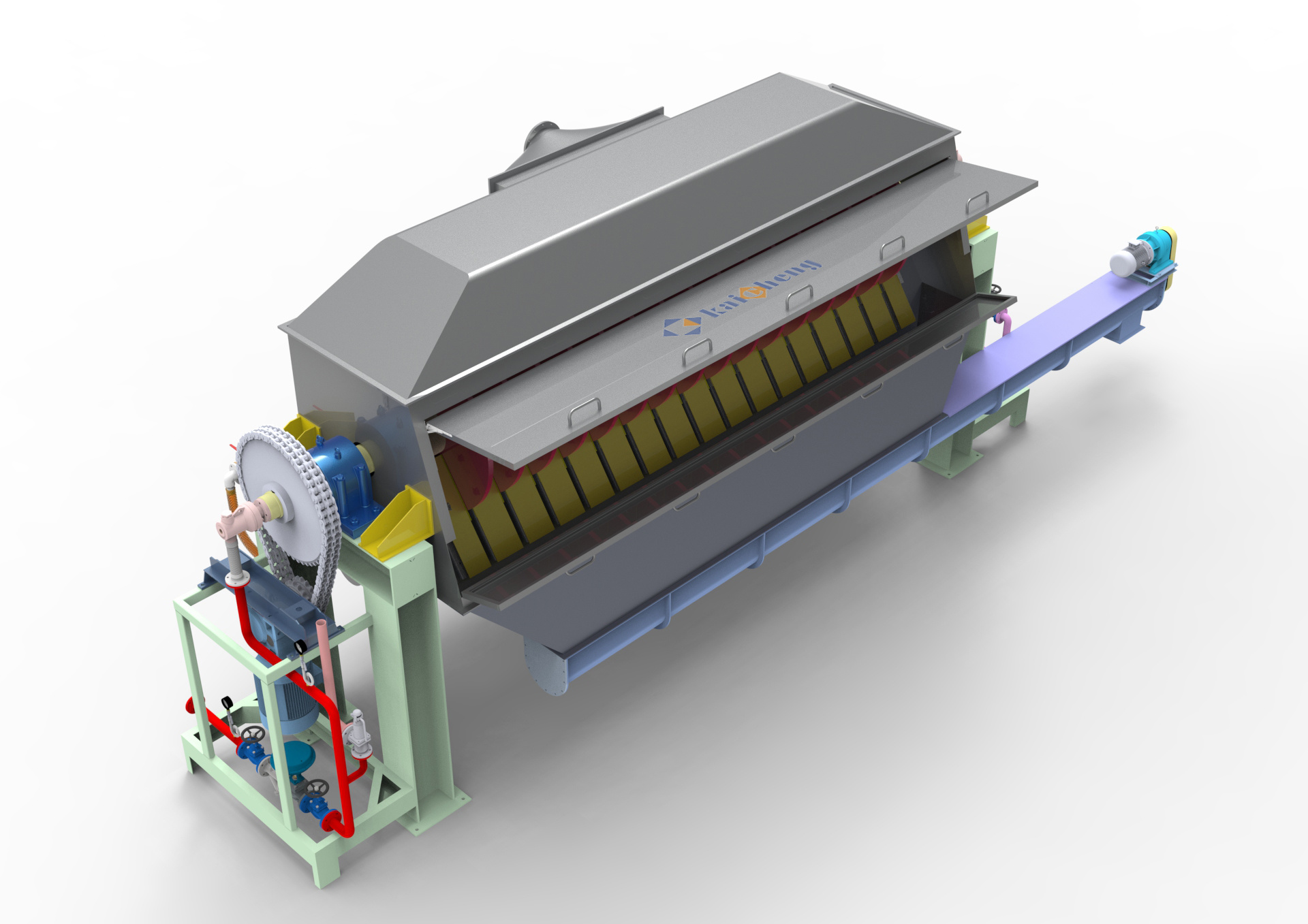
KiribatiPyrolysis of Oily Sludge
Product Description
Process Introduction:
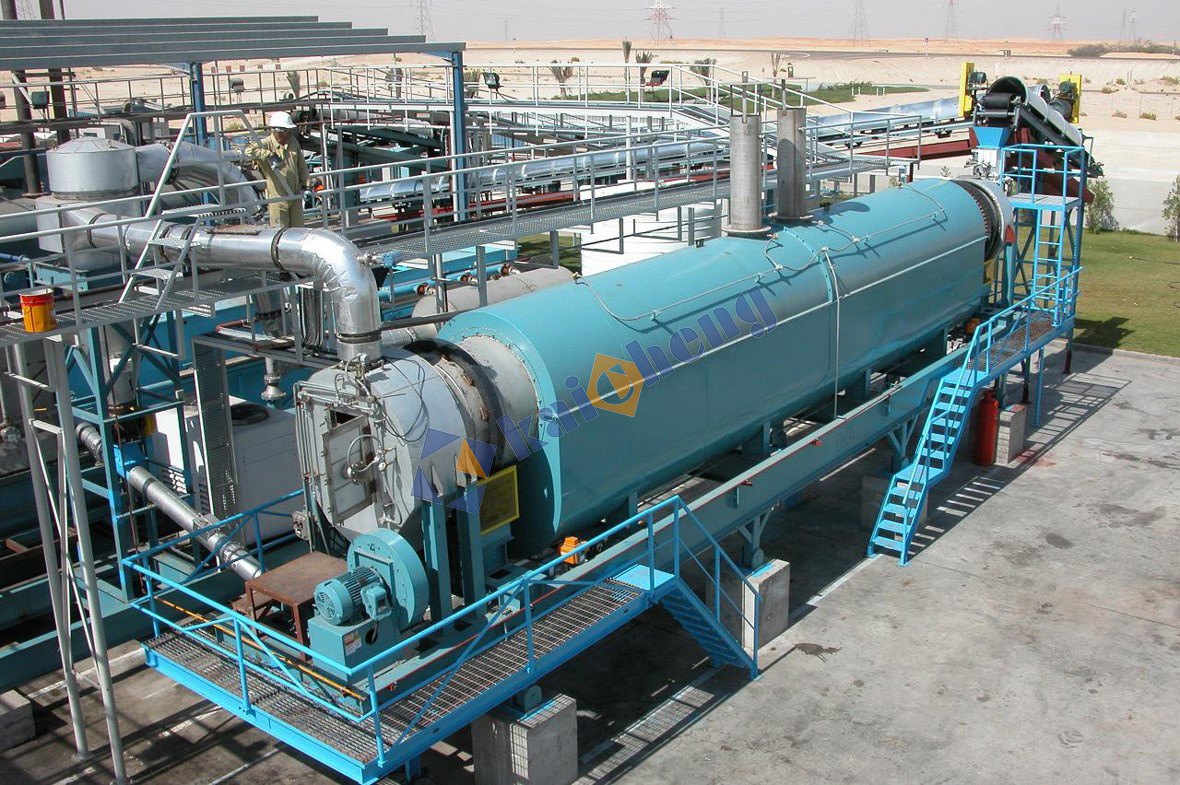
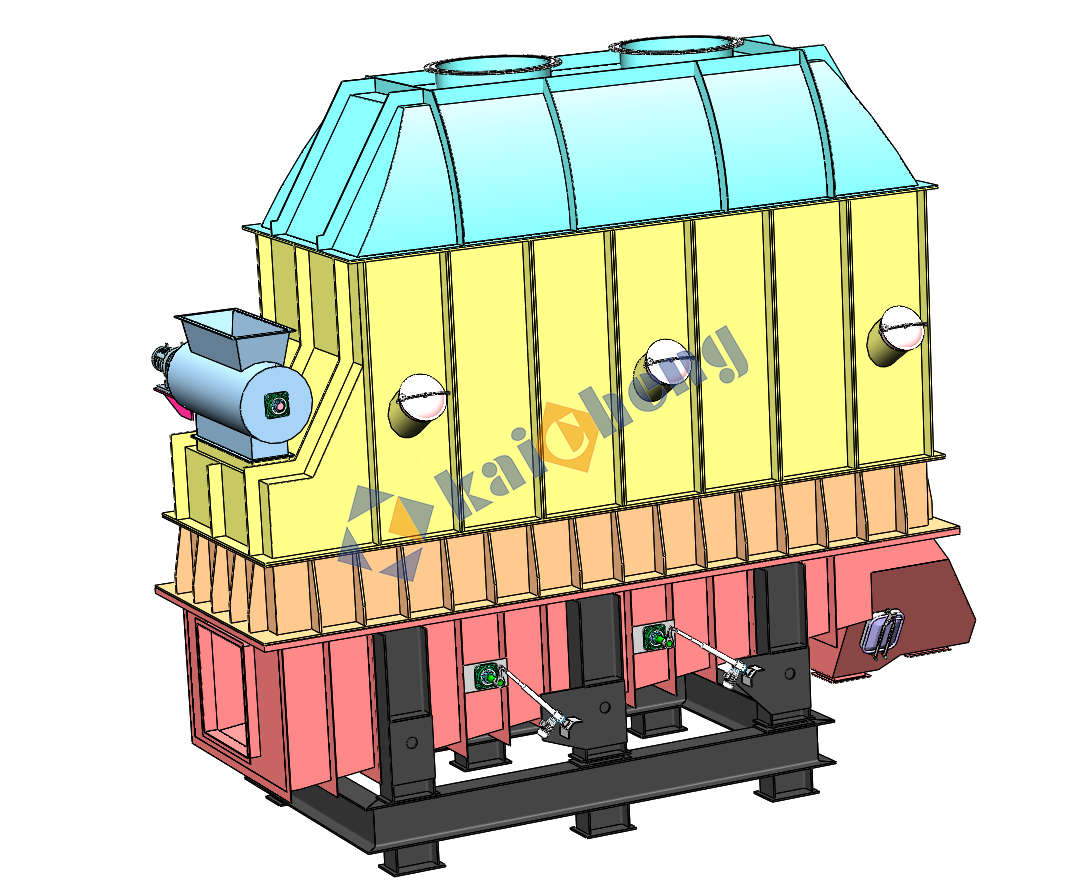
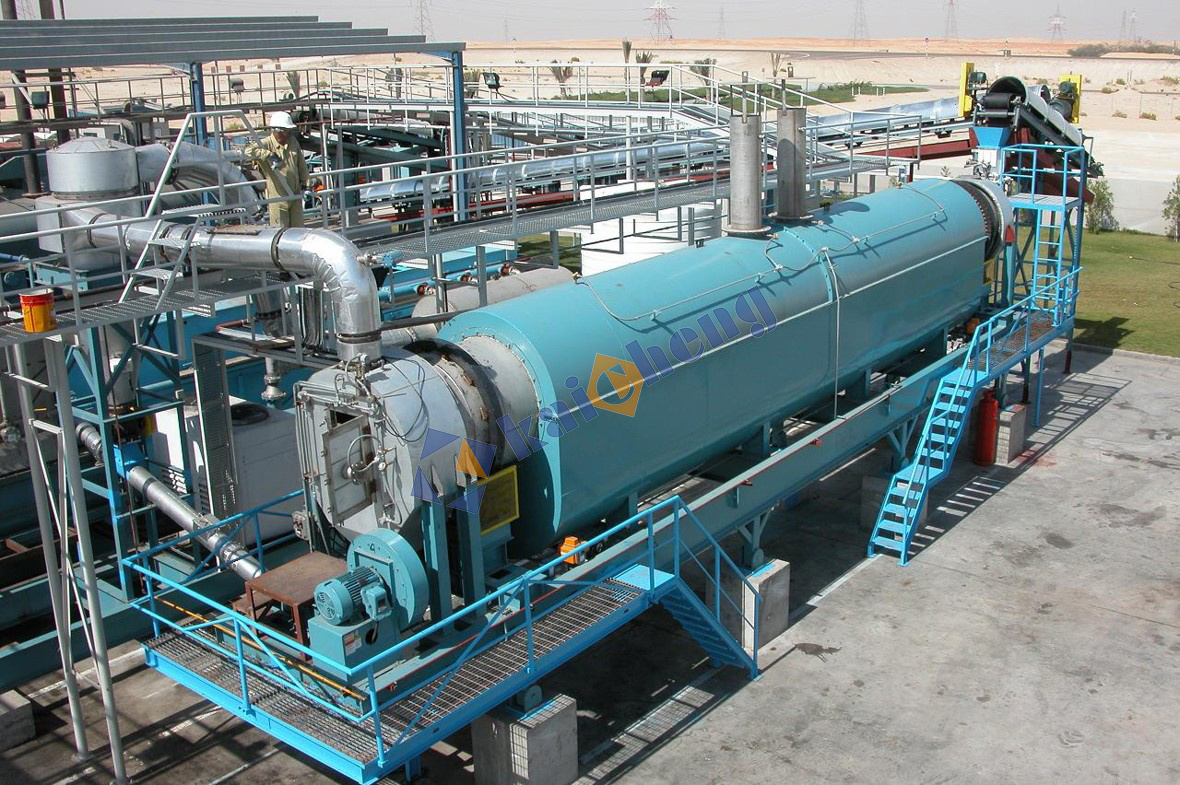
Based on the principles of reduction, recycling, and harmlessness, we have successfully developed a pyrolysis carbonization process for oily sludge, which involves direct thermal cracking of oily sludge without separating the oil from the sludge, directly converting the oil components in the sludge into oil and gas, separating the oil and gas from the soil, and then recycling the oil and gas. This process can reduce the oil content in the soil to less than 0.3%, eliminating the hazardous waste properties of the soil. Moreover, this process is simple and has a short process flow.
Process Principle:
Under anaerobic conditions, liquid organic matter is gasified into a gas phase through high-temperature carbonization, and solid organic matter is sublimated into a gas phase. Under negative pressure, the gas phase of organic matter is separated from inorganic matter.
The successful removal of hazardous organic wastes in inorganic solid phase materials has made the solid phase harmless, changing the hazardous waste properties of oily sludge and making it a general waste.
Adapt to Materials:
- Oily sludge, oil mud, drilling fluid, waste engine oil
- Waste organic solvents, paint, and paint residue
- Various mixed unknown organic mixtures
- Various waste organic substances
- Hazardous waste organic solvents
Pyrolysis Products:
- Oil content ≤0.3%
- Moisture content ≤0.1%
- More than 99.9% of the exhaust emissions are CO2 and H2O
- The oil content in the sewage after pyrolysis of oily sludge is ≤0.5%, and the sewage is discharged up to standard
- The moisture content of recovered oil is less than 2%, which can be directly entered into refining or coking equipment

Experts and Pioneers of Sludge Drying And Pyrolysis Field in China.


Contact
Location:1-208, Industrial Building, No. 555 North Panyu Avenue, Panyu District, Guangzhou, China