




PRODUCTS CENTER

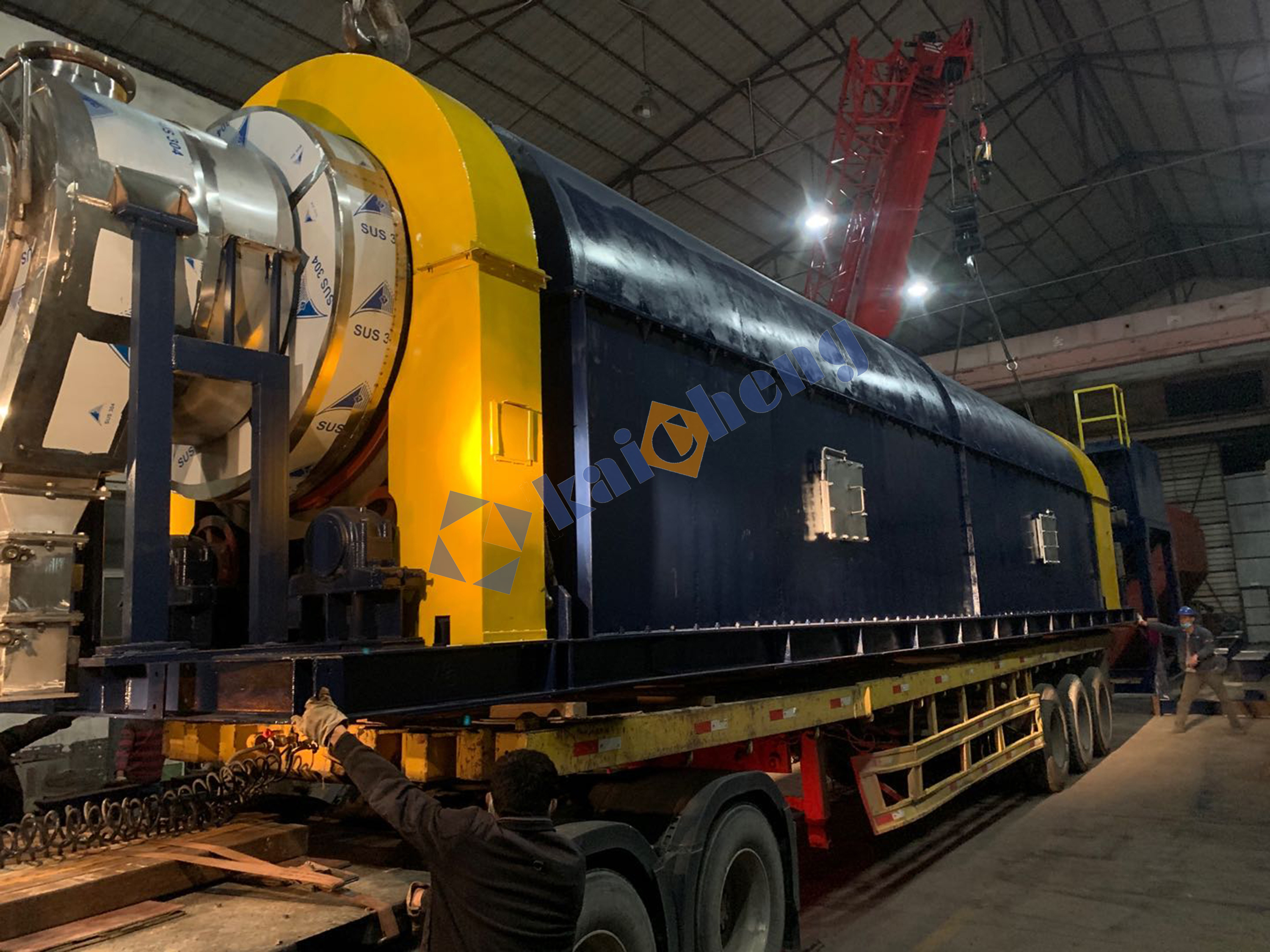
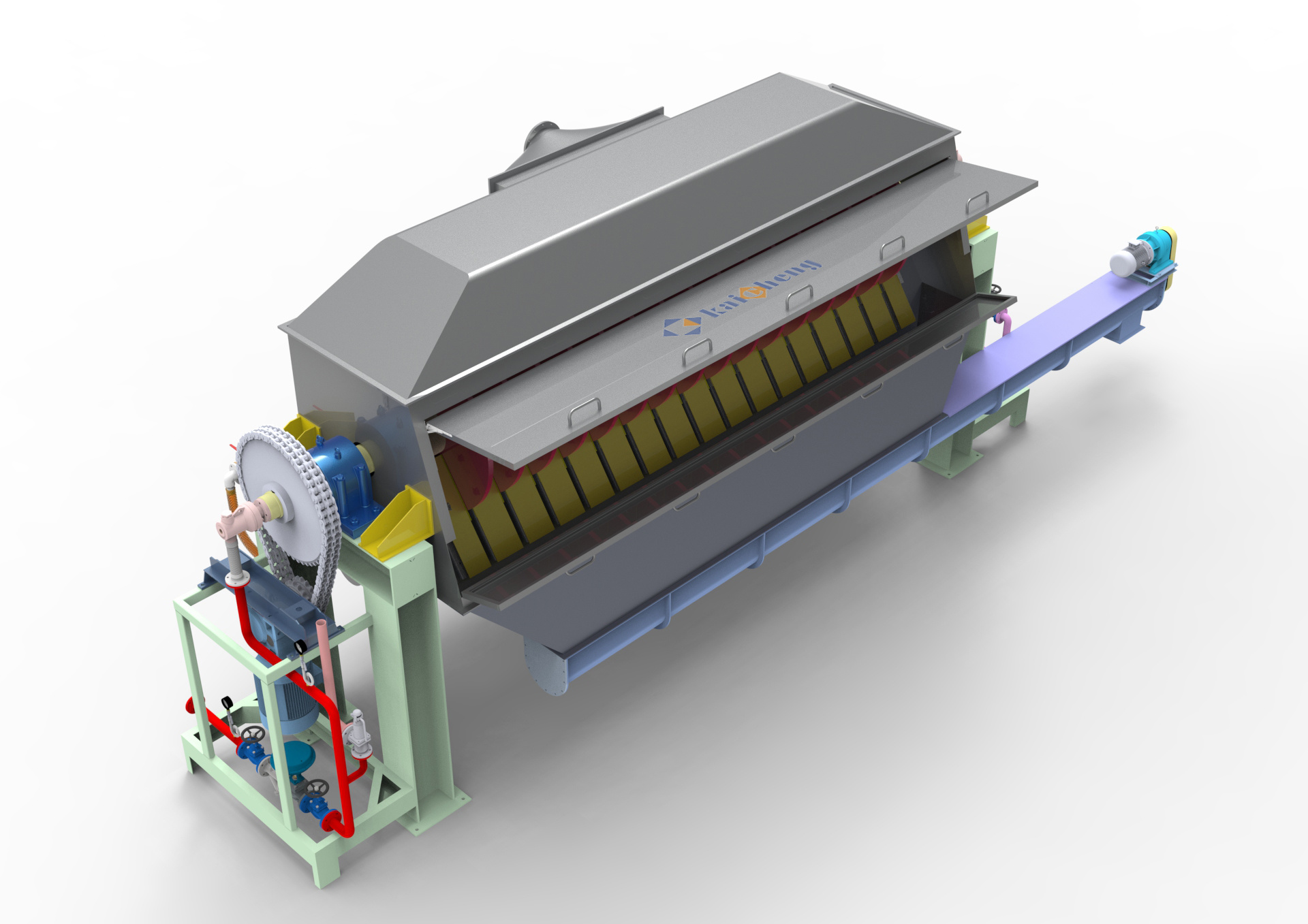
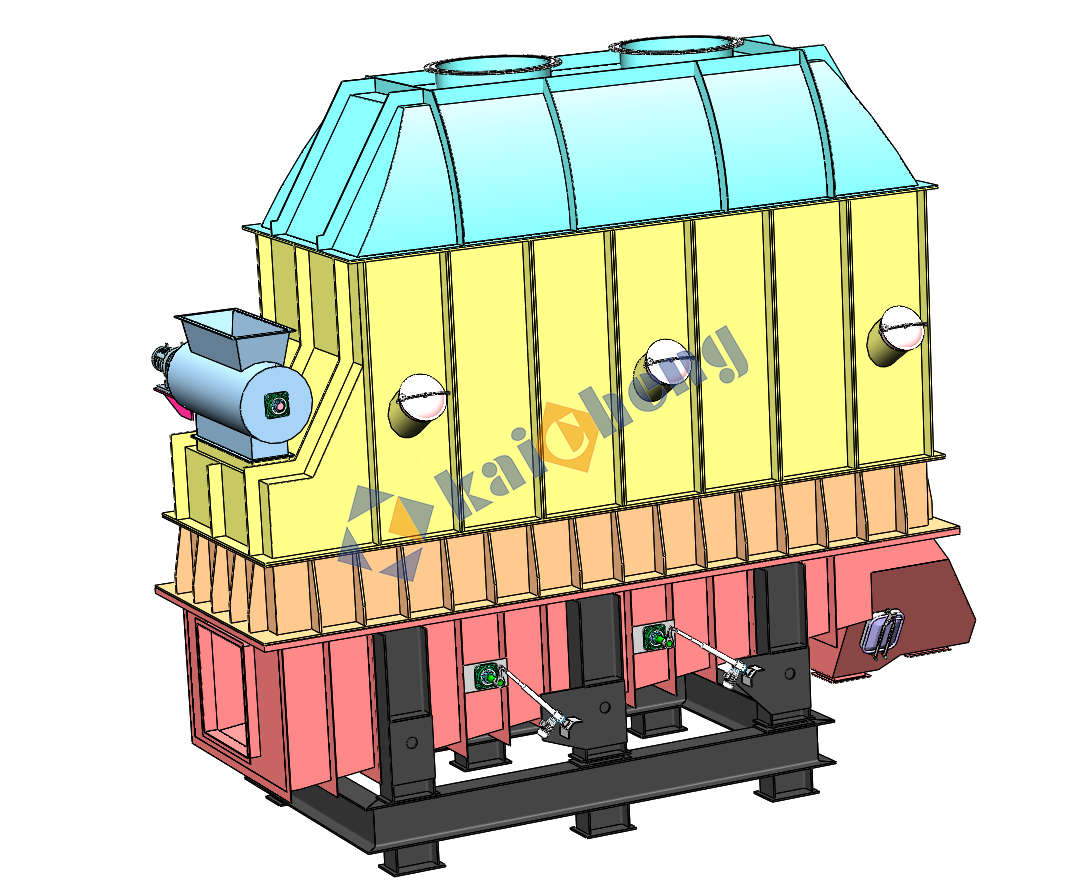
To process these large amounts of mineral powder, minerals, and sludge, a large dryer is needed for drying. We provide dryers with a maximum processing capacity of 500-720t/d for customers to choose.
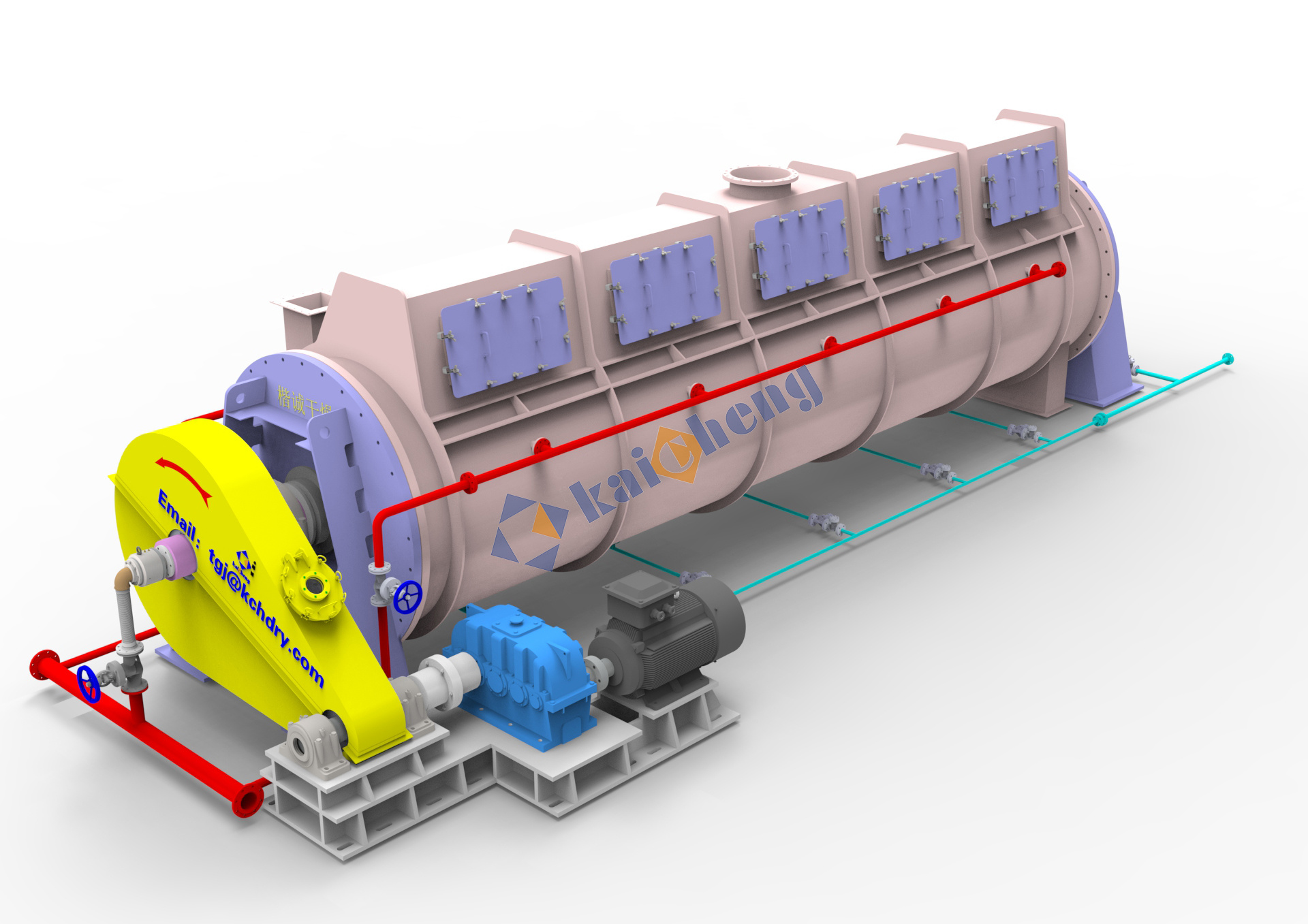
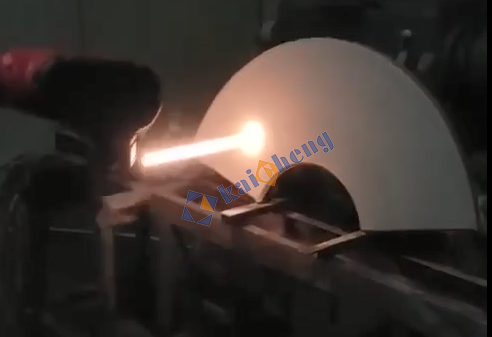
At present, the company has launched a disc dryer with a maximum heat transfer area of 518 square meters,Contains tungsten carbide spraying, wear and corrosion resistance, suitable for drying highly abrasive materialsThe material is fed into the dryer through the feed port. The working medium flows between the shell and the hollow shaft. Heat is transmitted through the jacket, the hollow shaft and the hollow disc welded on the shaft. The material is indirectly heated and dried, and the generated water vapor gathers. In the dome of the dryer, the carrier gas is carried out of the dryer. The hollow disc is perpendicular to the shaft and does not cut the material. Through the action of the propeller/agitator on the edge of the disc, the material is pushed and stirred, and the drying surface is constantly updated, thereby achieving the purpose of drying.
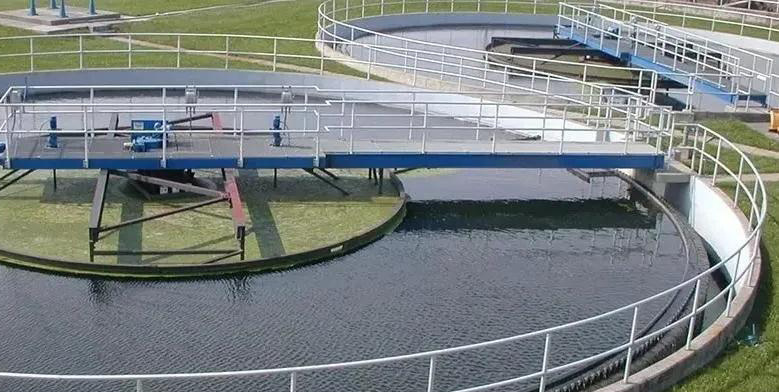
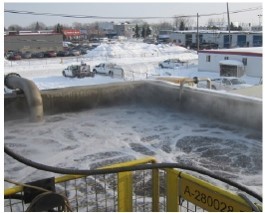
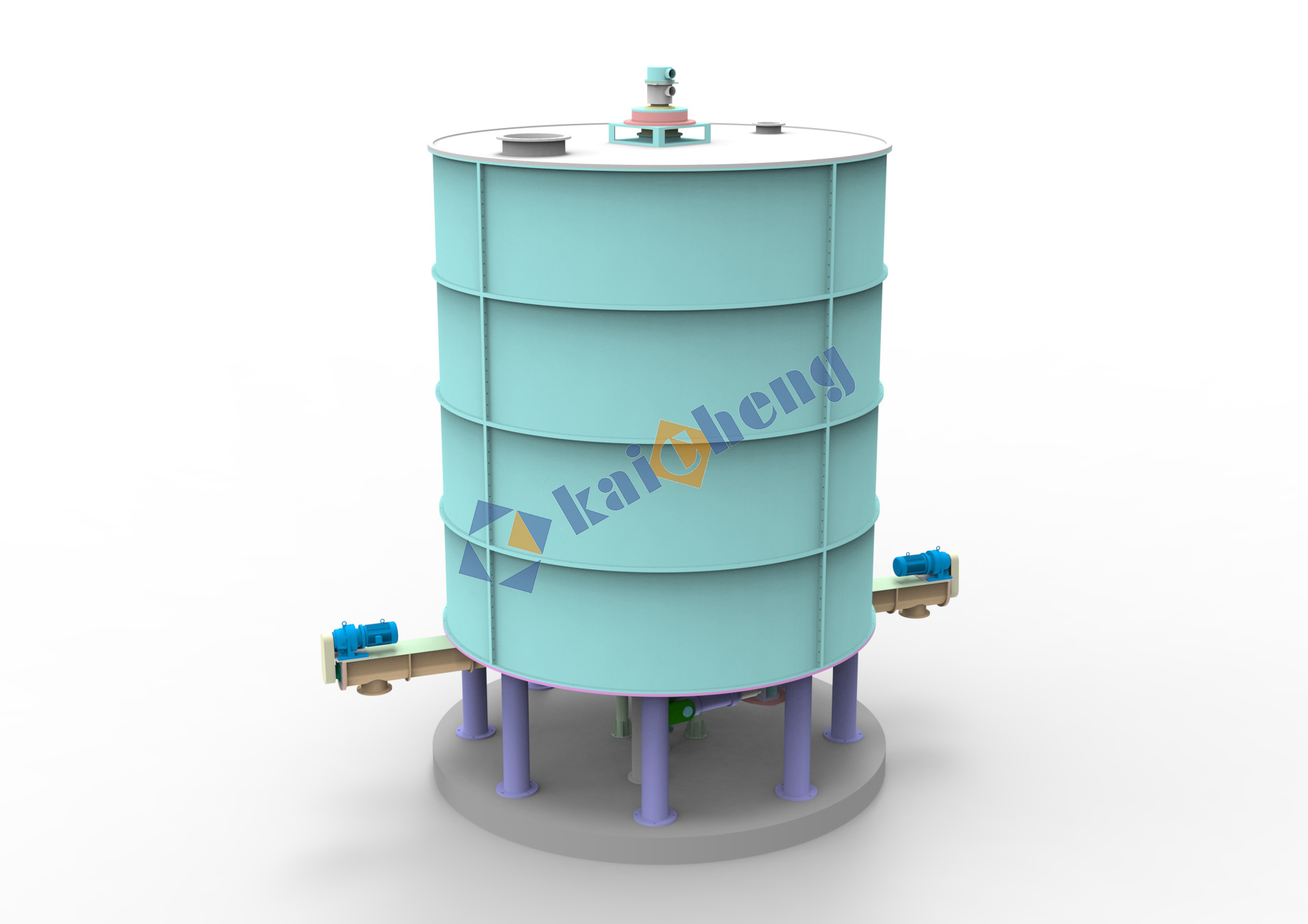
Acid precipitation process: Adopt chemical acid precipitation + oil-bearing sludge drying method to remove oil. The core of the process technology is to break the "water-in-oil" emulsified molecular bonds in the oil sludge or oil slurry through chemical reactions, achieving oil-water separation, which naturally separates inorganic matter.Through three-phase separation, some recovered oil is finally formed. The generated inorganic sediment (a small amount of oil-bearing or trace oil-bearing) is dried with oil-bearing sludge.
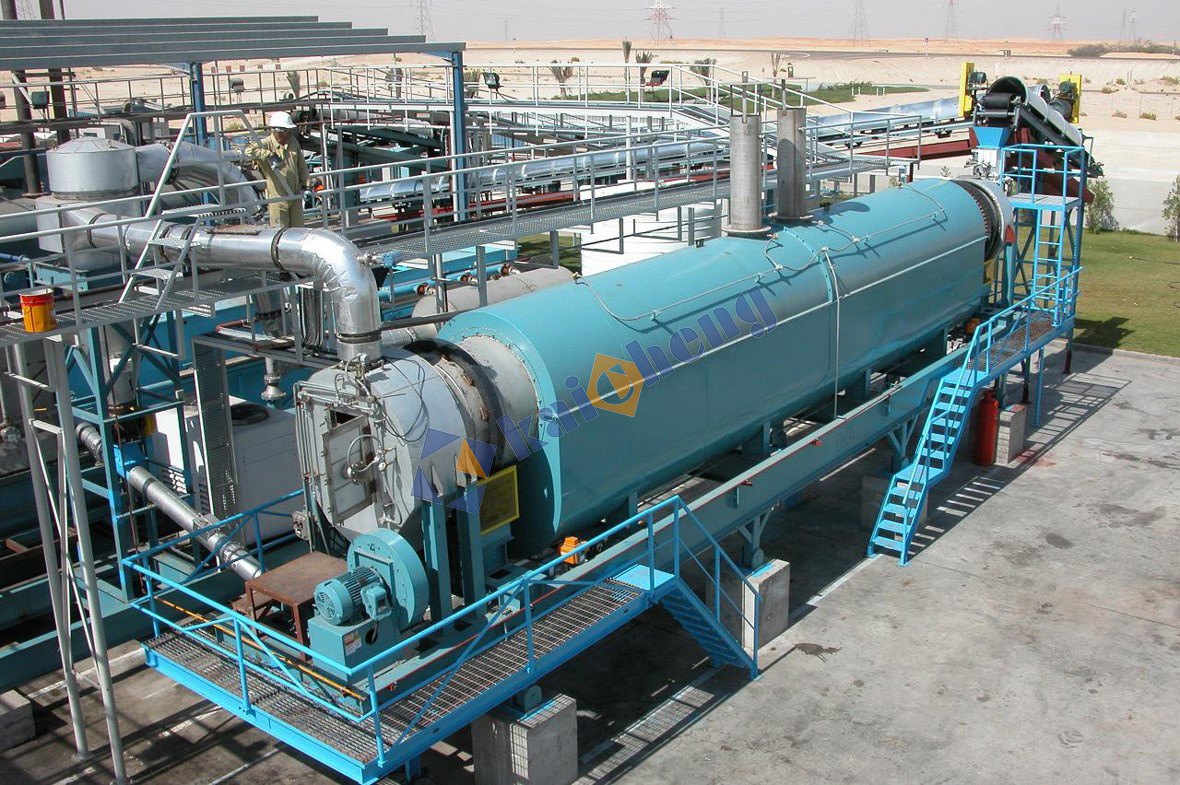
Based on the principles of reduction, recycling, and harmlessness, we have successfully developed a pyrolysis carbonization process for oily sludge, which involves direct thermal cracking of oily sludge without separating the oil from the sludge, directly converting the oil components in the sludge into oil and gas, separating the oil and gas from the soil, and then recycling the oil and gas. This process can reduce the oil content in the soil to less than 0.3%, eliminating the hazardous waste properties of the soil. Moreover, this process is simple and has a short process flow.

Experts and Pioneers of Sludge Drying And Pyrolysis Field in China.


Contact
Location:1-208, Industrial Building, No. 555 North Panyu Avenue, Panyu District, Guangzhou, China