




PRODUCTS CENTER

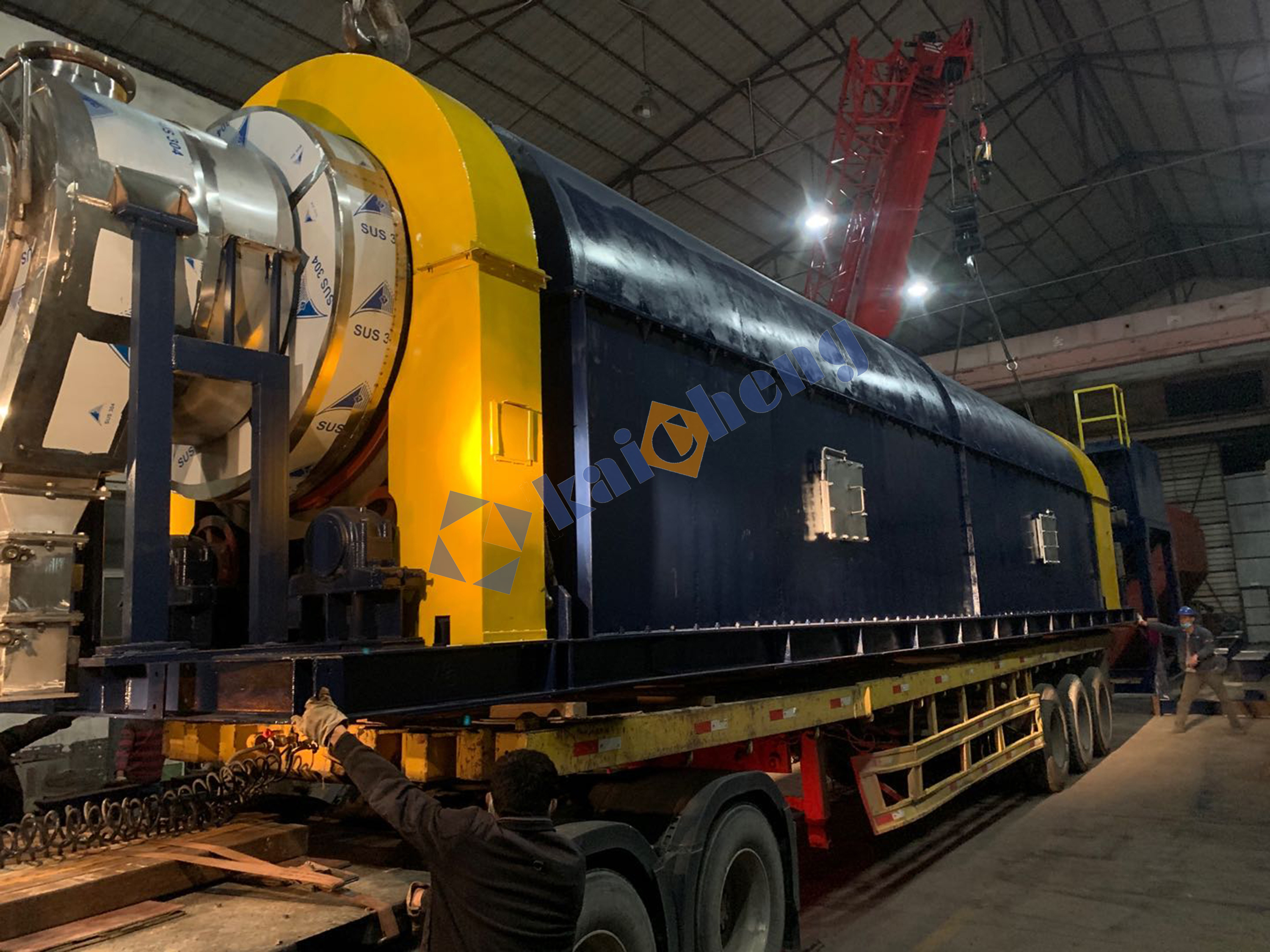
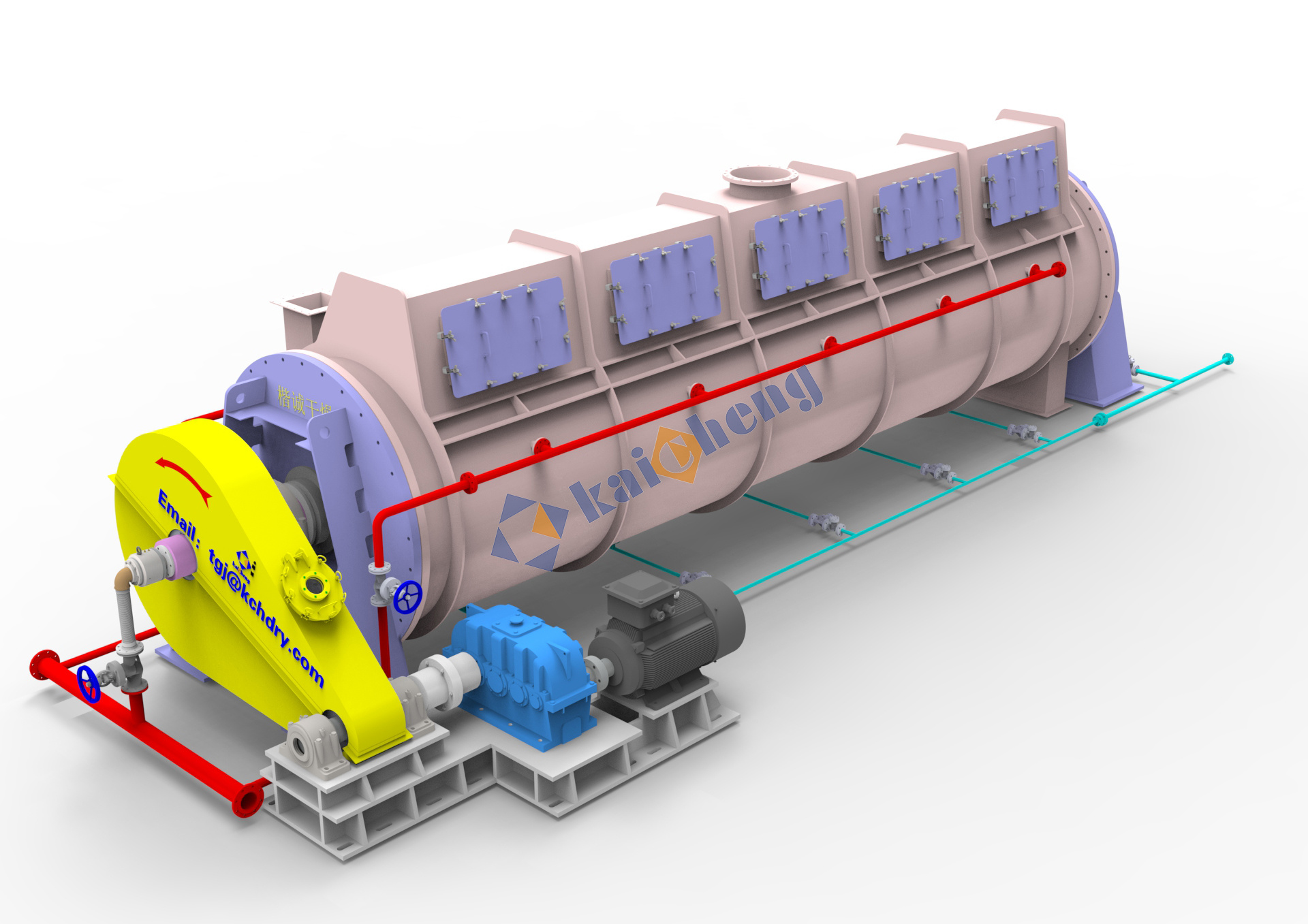
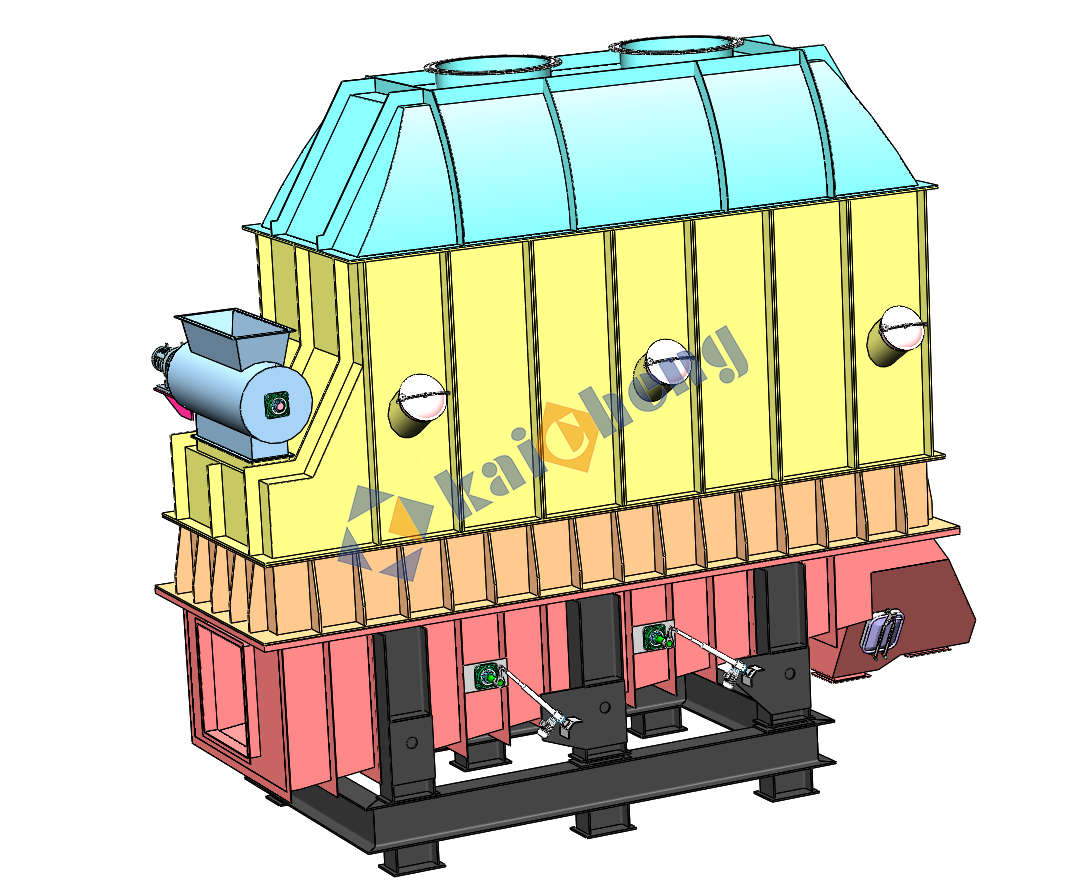
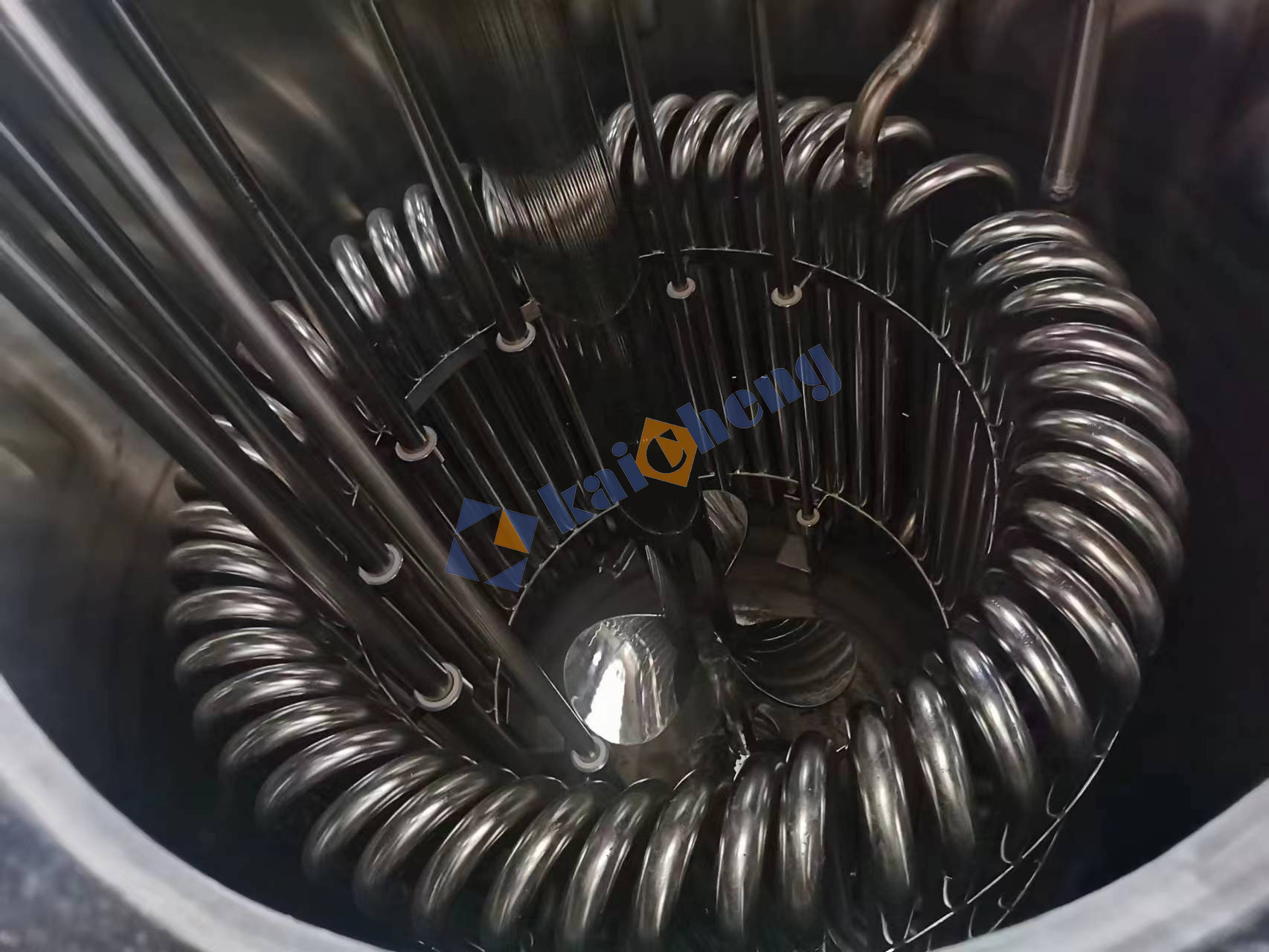
Bidirectional shear type sludge drying device with wedge-shaped blades is an indirect heating low-speed stirring dryer. There are two or four hollow rotating shafts inside the equipment, with wedge-shaped hollow blades densely arranged on the hollow shafts, and the thermal medium flows through the blades through the hollow shafts. The internal flow channel of the hot shaft is special and cleverly designed. The two shafts rotate in reverse, causing compression and relaxation between the shafts, constantly updating the heating surface of the material and greatly improving the evaporation efficiency.
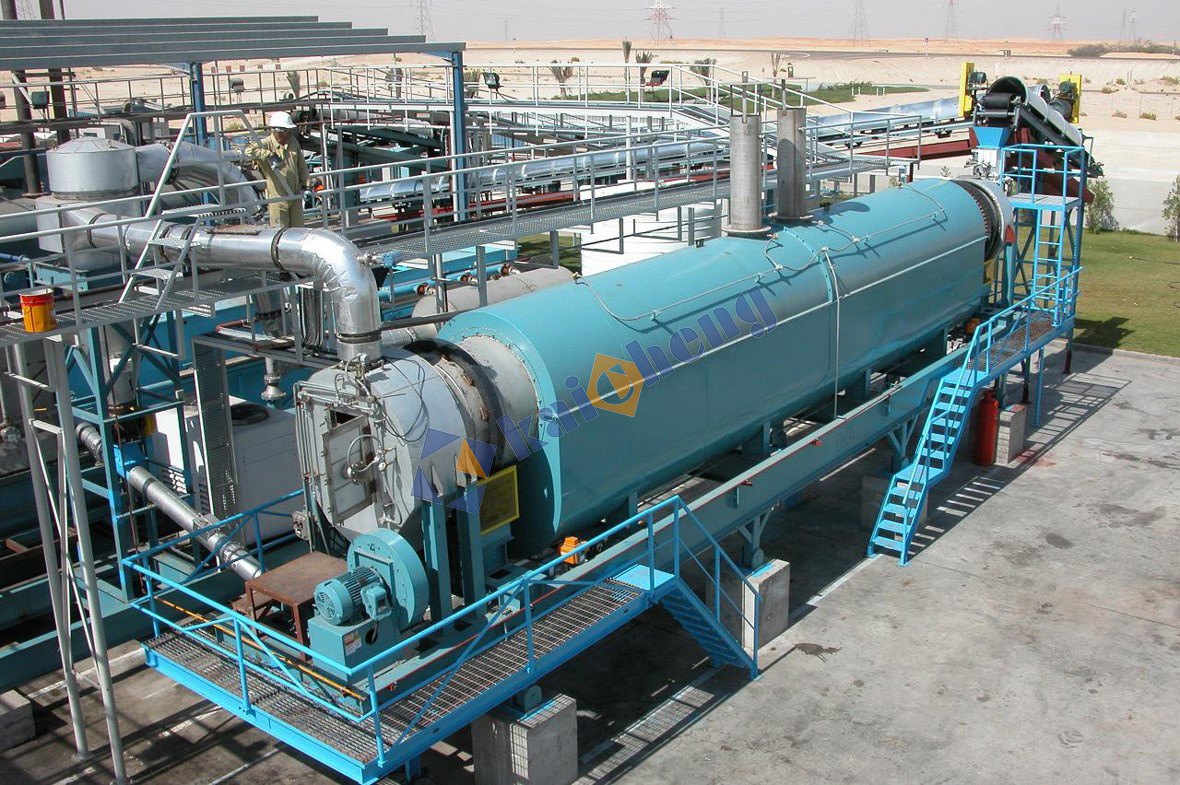
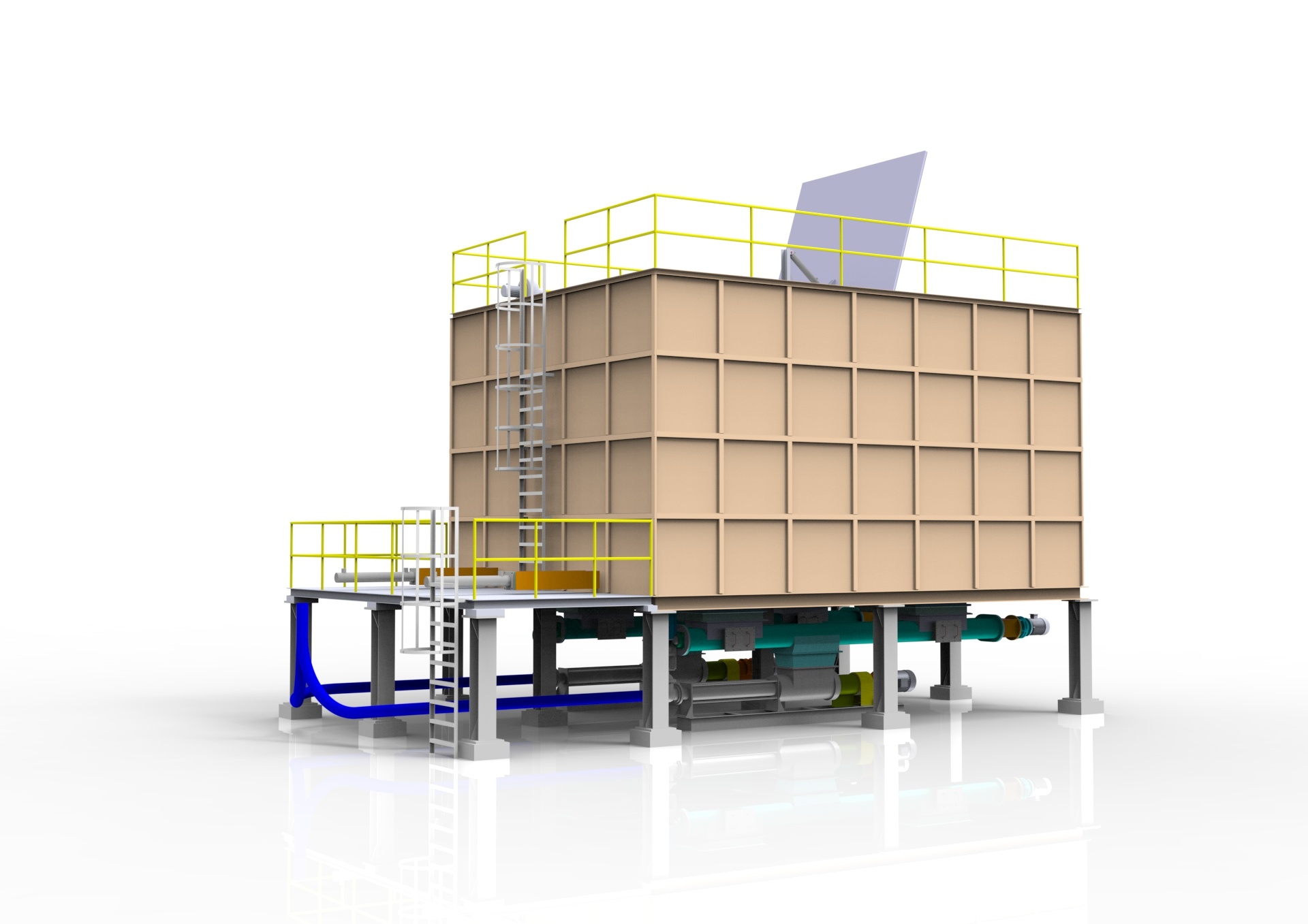
Under anaerobic conditions, waste organic matter undergoes thermal cracking through high-temperature carbonization, resulting in the production of valuable gas phase (pyrolysis gas) and solid phase (biochar) based on the ratio of carbon to hydrogen. Both gas phase and solid phase can be recycled. Among them, pyrolysis gas has certain combustibility and can recover energy, while biochar has porous properties and is suitable for use as an adsorbent and carbon-based fertilizer. The complete set of sludge pyrolysis equipment provides an effective way for sludge reduction, harmlessness, and resource utilization.
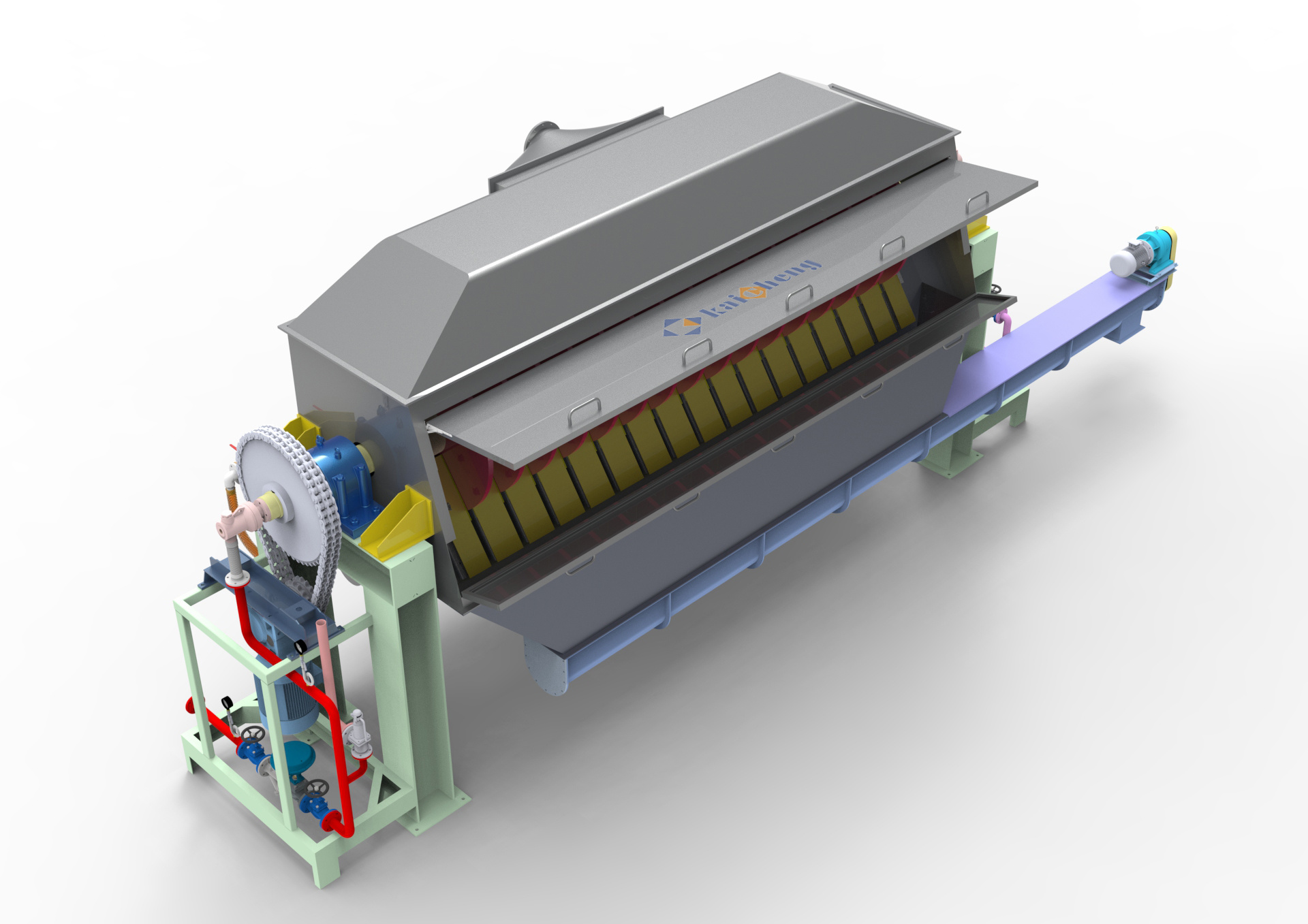
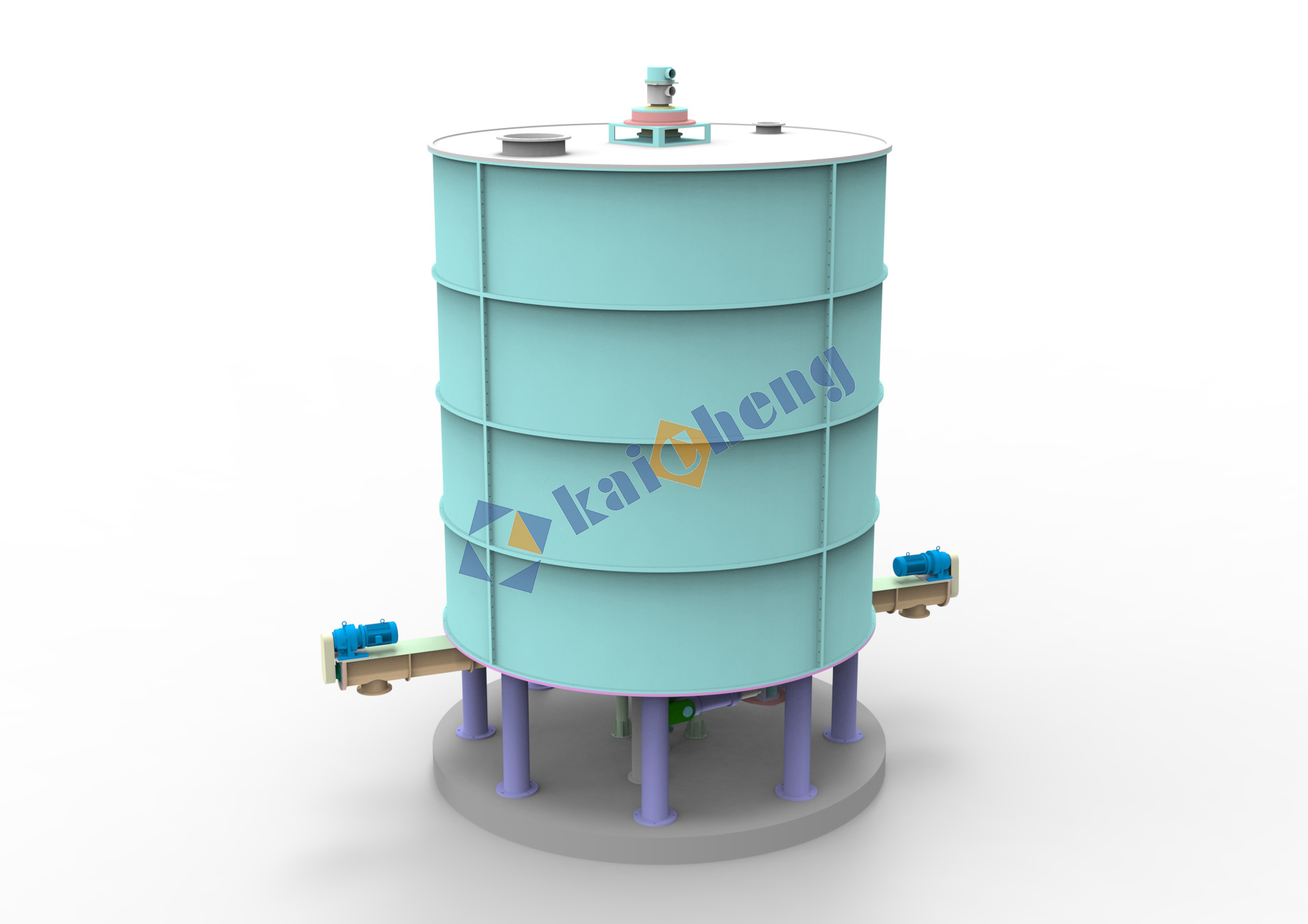
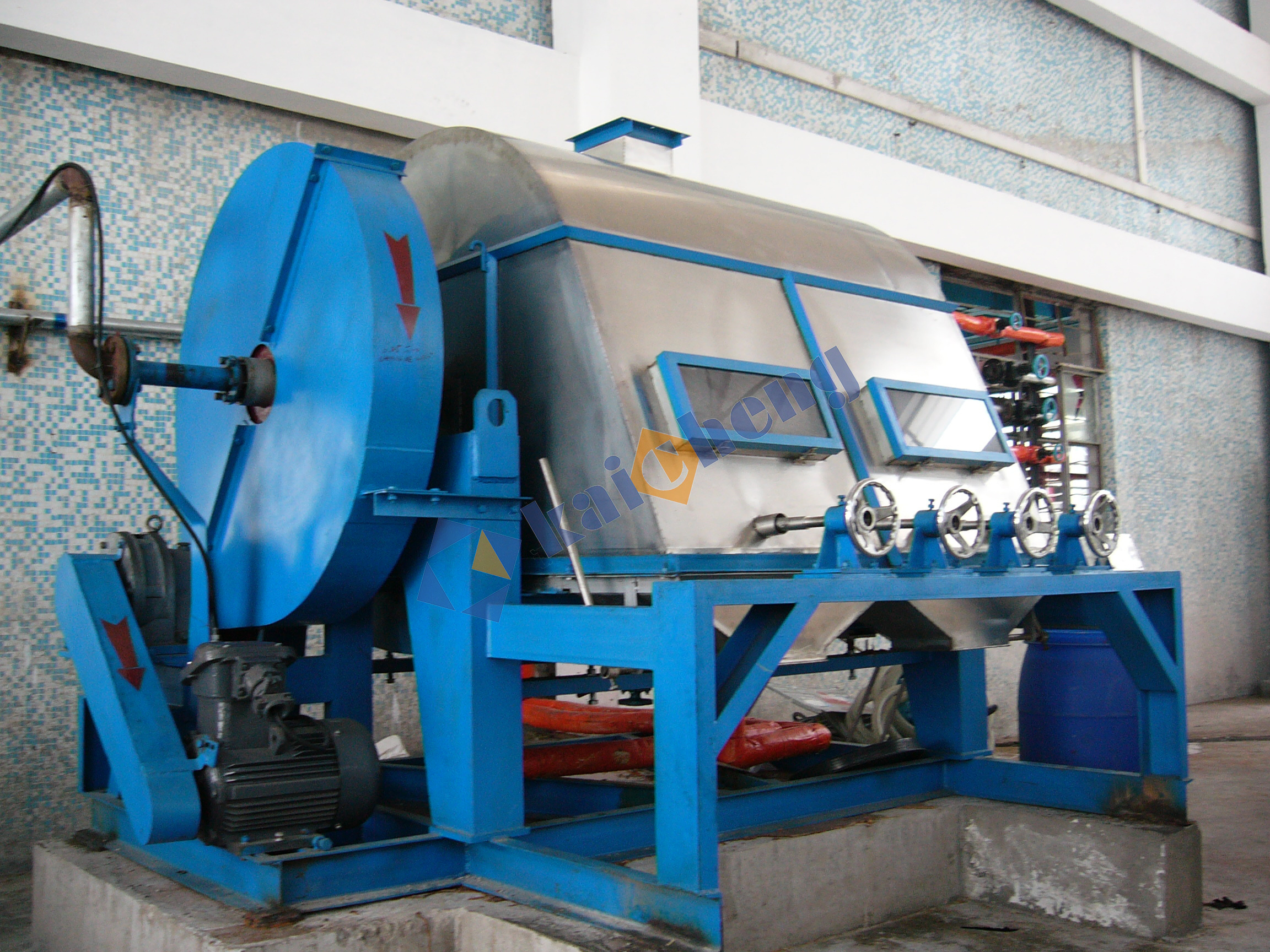
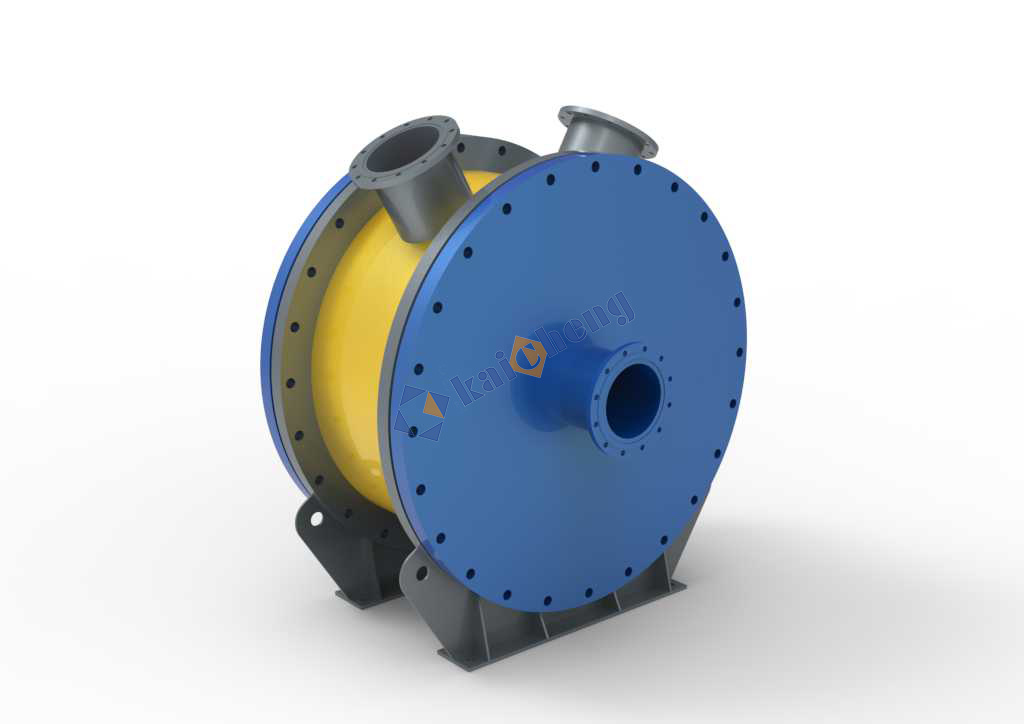
It is an indirect heated liquid contact dryer, energy-saving, low-cost, process-reducing, space-saving high-performance, high-efficiency liquid dryer, using indirect heat to dry materials by conduction, its principle is similar to the drum dryer or cylinder dryer used for papermaking, but instead of drying on the curved surface of the drum or cylinder, it dries the liquid on its two planes, and its installation area is only 40% of that of the drum dryer with the same drying surface area. Many powder manufacturers and companies that want to process or recycle resources or reduce the amount of wastewater are using this method.
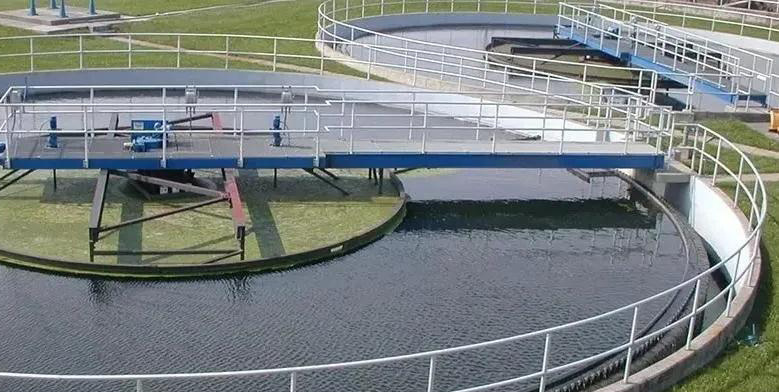
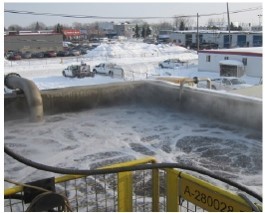
Treatment methods can be divided into physical treatment methods, biological treatment methods, sludge disposal produced by sewage treatment and chemical treatment methods according to the type of water quality. They can also be divided into primary treatment, secondary treatment and advanced treatment processes according to the degree of treatment.

Experts and Pioneers of Sludge Drying And Pyrolysis Field in China.


Contact
Location:1-208, Industrial Building, No. 555 North Panyu Avenue, Panyu District, Guangzhou, China